Table Of Content

Razor bumps and ingrown hair cysts can take several days or even weeks to fully clear up on their own. Timely treatment can help get rid of them and prevent them from returning. Most instances of ingrown hair get better without treatment.
How to identify infected ingrown hair
You may be more likely to get ingrown hairs if you have coarse or curly hair. Applying shaving cream five to 10 minutes before shaving can make the hair softer. This may reduce the sharp hair tips that can become embedded as ingrown hairs. Applying a warm compress prior to shaving can provide these benefits as well.
How to Spot Ingrown Hairs
Shaving against the grain can increase your chance of developing an ingrown hair since this can cause the sharp tip of the hair to retract into the skin. If you want to continue shaving, you should consider using a razor with a skin guard. Or, you can swap out razors entirely and use electric clippers or hair removal creams instead. Because they tend to have tightly curled hair, people of African descent are more likely to have ingrown hair. The tight curls can more easily curl back into the skin and also can become sharper after shaving because of the curl's angle. If the bumps or cysts become extremely bothersome — or if they aren’t fading — see a healthcare professional or dermatologist.
Signs of an Infected Cyst From an Ingrown Hair
Shaving and waxing are the most common causes of ingrown hairs. At first, a person may notice a series of small bumps, which may be reddish and itchy. These patches of ingrown hairs are called razor burn. Ingrown hairs often resolve on their own, within a few days, or weeks.
What complications can happen from ingrown hairs?
Preventing ingrown hairs is the best way to keep cysts from developing around them. However, this type of cyst is usually harmless and will often go away without treatment. Trying to remove them can sometimes interfere with the healing process and cause them to last longer.

Are ingrown hairs the same as razor bumps or pseudofolliculitis?
This can help ease the ingrown hair out of the skin on its own. If your infection is mild or infrequent, you may be able to use home remedies. If infections recur or are severe, you may need medical treatment. The results of electrolysis and laser hair removal are immediate. That’s why it’s helpful to know how to treat one or prevent them from happening in the first place.
What To Do For Ingrown Hair In Pubic & Bikini Areas - Refinery29 Australia
What To Do For Ingrown Hair In Pubic & Bikini Areas.
Posted: Wed, 07 Jul 2021 07:00:00 GMT [source]
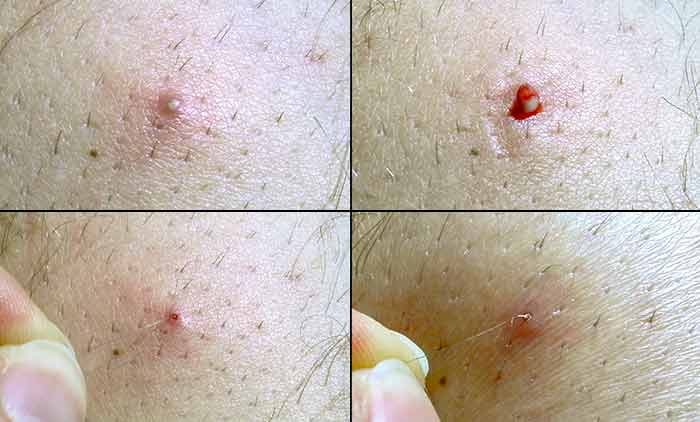
African-American individuals with thicker, coarser tightly curling hairs tend to have the highest rate of problems with ingrown hairs. Don’t try to lift the hair out with tweezers like you might with typical ingrown hair. At this point, your hair is embedded far too deep underneath the bump or cyst for you to pull it out. Instead, gently scrub the area with warm water and soap.
These cysts are usually no cause for concern and may resolve on their own. A doctor may only recommend treatment if a cyst causes pain or other symptoms or if it becomes infected or inflamed. If a person develops an infection, they should contact a healthcare professional for treatment. Ingrown hairs tend to develop in areas of hair removal, including the pubic area.
What Does an Ingrown Hair Cyst Look Like?
If an infection develops and worsens, you may need medical treatment. If ingrown hair infections recur or are severe, you may have an underlying condition that needs medical treatment. Taking measures to prevent ingrown hairs and treating any infections promptly can help prevent these. You can also remove an ingrown hair that has looped or curled back into your skin by gently pulling it out with a sterile needle, pin or tweezers.
Some doctors believe that ingrown hairs also cause pilonidal cysts. These pockets of hair and skin debris usually happen at the base of your tailbone, between your buttocks. If you shave, tweeze, or wax your hair, you can develop ingrown hairs. If you shave often, you're more likely to have ingrown hairs. You're also more likely to have them if you have skin of color or your hair is thick, coarse, or curly.
An ingrown hair occurs when the hair grows downward instead of upward and becomes trapped under the skin. Treatment options for these cysts include home remedies and medical treatment. Ingrown hairs most characteristically involve areas that are shaved, like the beard, bikini area, and legs. Other common locations of ingrown hairs include the face, neck, thighs, and buttocks. Although possible, it is rare to have ingrown hairs all over the body. Ingrown hairs do not affect the mouth, palms, vagina, or soles of the feet, as there are no hair follicles in these locations.